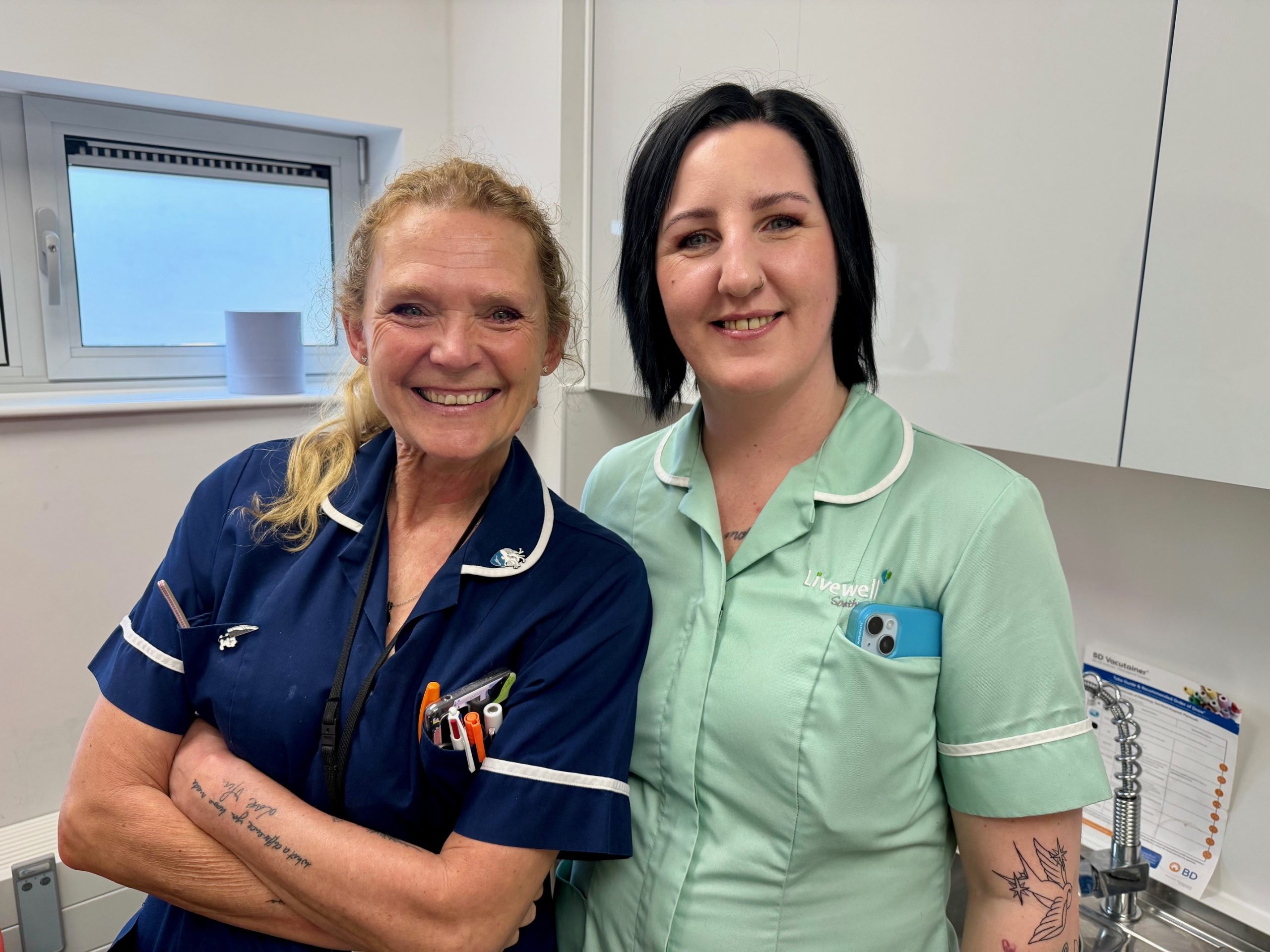

Hundreds of people experiencing homelessness in Plymouth are getting the vital healthcare they need thanks to Health Inclusion Pathway Plymouth (HIPP). The HIPP team was established by Livewell Southwest to meet the needs of people with complex lives who cannot access standard services.
A study in the British Medical Journal found that people who are homeless are admitted to hospital at more than twice the rate of the housed population, rising to ten times higher among people sleeping rough or in hostels. Research for the UKHSA also found around 30% of deaths among homeless hospital patients are from preventable or treatable causes.
To help improve these outcomes in Plymouth, the HIPP team holds clinics around the city and works closely with established voluntary organisations, primary care outreach and drug and alcohol services to ensure they get a comprehensive package of care.
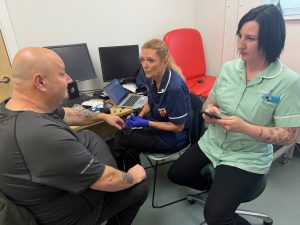
Clinic at the Shekinah Mission
It consists of two GPs, a mental health nurse, clinical psychologist, physical health nurse, healthcare assistant, social worker, occupational therapist, health support worker and administrator. Someone from the team also works at Derriford Hospital during the week to ensure they get the treatment and specialised support they need whilst in hospital and when they leave.
Kait Burn is the physical health sister and holds clinics at the Shekinah Mission, George Hostel, Devonport House and one mobile clinic where she drives around Plymouth to find people sleeping rough on the streets.
Sister Kait Dunn
She said: “We have kept a lot of people out of hospital by seeing them where they are. Sometimes that means going to their tent in a car park, seeing that their wounds are infected, picking up the antibiotics and taking them back. By doing so, we are potentially stopping sepsis and a prolonged admission to hospital.
“Just because you are not living in a home, it doesn’t give you any less right to have the same level of healthcare as you or I. What we do best is thinking outside the box.”
For example, if someone is referred to the team in hospital who is not linked in with any services, a GP may support them to start Opioid Substitution Therapy and introduce them to the Harbour charity which offers drug and alcohol support in the community. Their case will be discussed in their weekly multi-disciplinary team meeting and a future care plan designed. This could mean being placed in a property by Plymouth City Council on discharge from hospital, getting a visit from the occupational health therapist to see if they need any equipment to help with mobility, providing one-to-one mental health counselling, support with filling in paperwork and attending appointments to ensure their treatment is completed.
Former soft drinks engineer Steve found himself living in his car when he lost his job following emergency surgery. The 58-year-old recalls: “My main artery from my heart down my body had burst in three places. My family were told I had a five percent chance of survival.”
Service user Steve
During his recovery at home after surgery, that relationship broke down, and he had nowhere to go. After not eating for a week and staying in car parks around the city, he went to the Plymouth Soup Run for food. With his permission, co-ordinator Hilary Knight referred him to the rough sleepers’ team. He now has a room in a shared house run by the homeless charity Path.
When Steve visited the Shekinah Mission, the HIPP team assessed his physical and mental health. He had undiagnosed diabetes, severe back and nerve problems and a large hernia. These are all being regularly monitored and he is now receiving treatment through his GP. He has also been supported by the Livewell Southwest Wellbeing Team to stop smoking.
Mental health nurse Darren Lloyd supported Steve with counselling after meeting him at the Plymouth Soup Run.
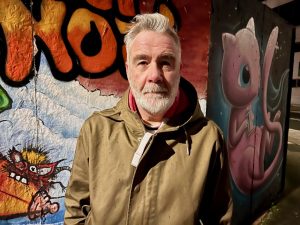
Mental Health Nurse Darren Lloyd
He said: “Steve had worked all his life and because of a problem following an operation he lost his job, lost contact with his family, ended up living in his car, living in his car then exacerbated the problems with his physical health, his mobility, his sleep, he is not eating properly, and that all then weighs heavily on somebody with their mental health.”
Steve says the support he has received saved his life. He said: “I just didn’t feel like living when I couldn’t work. Work was my life. I loved it. If I am absolutely honest, I don’t think I would be here now without the help I have had. I can’t thank everyone enough.”
The HIPP service was set up in November 2022 with funding from NHS Devon to tackle health inequalities. Since then, the team has accepted more than two thousand referrals. Eight of the team are employed by Livewell Southwest and are based at Hamoaze House in Devonport – the two GPs are from Adelaide Street Surgery.