

You have been told you have dementia…
Your psychiatrist has:

-
talked to you about medication
-
given you and your carers this leaflet about dementia
What happens next?
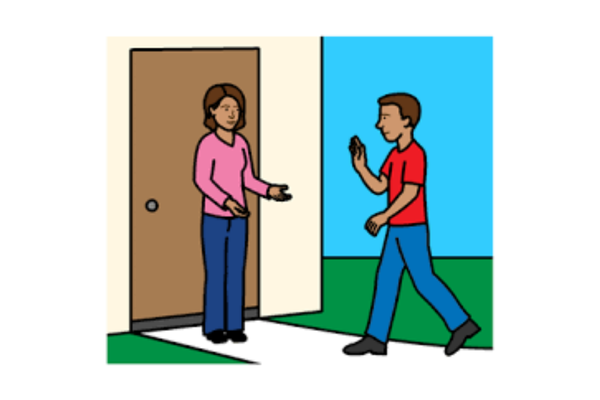
A support worker will visit you.
They will give you and your carers information about dementia.
They will talk to you about lots of things:
-
groups you can go to
-
local services like the Moments Café
-
making a memory book
-
where to get more information

You and your carers can tell the support worker what you need help with.
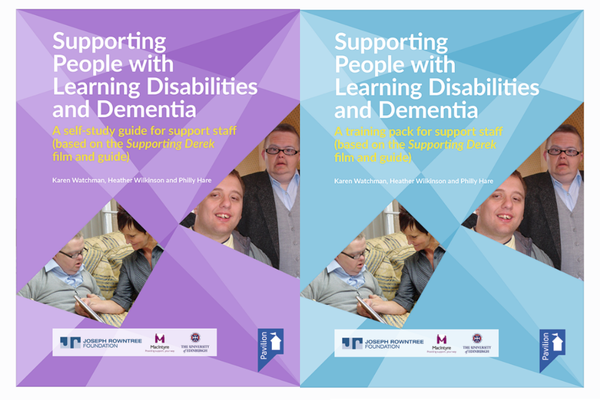
Your carers can think about the ideas in this dementia care plan. (CLDT)
Your carers can use the things on this website to help you.
There are new groups you can attend:
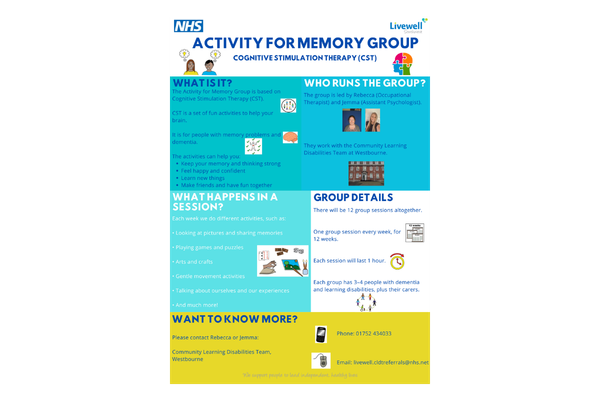
Activity for Memory – An activity group especially for people with learning disabilities and dementia. (CLDT)
Making sure you have the right support:
Professionals in The CLDT meet every month and work together to make sure you have the right support.
A support worker will visit you and your carers every 6 months to check you are getting the right support. The support worker can also refer you to:

Clinical Psychology – You or your carers may have lots of different feelings after a diagnosis.
This is normal.
If you think talking would help one of our Clinical Psychologists can meet you.

Speech and Language – Can give advice about ways to help your communication like using photos.
We can also help with changes in your eating skills.

Occupational Therapists – Can help you to keep doing the activities you need and want to do.

Behavioural Advisors – To help your carers understand what to do if you are upset.

Nurses – Can support with changing health needs, accessing health care and planning for the future.
Living Well with Dementia
You can still have fun and enjoy yourself if you have dementia.

-
Keep doing things you enjoy!
-
Make small changes to keep things easy.
-
Try new groups
-
Keep seeing your GP.
-
Eat good food.
-
Keep moving!
-
Use things that help you remember.
-
Let your staff family and friends help.
Local resources