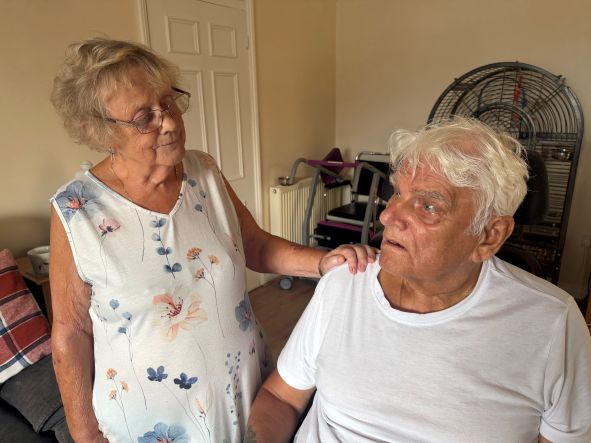

David and Christine’s story
When Plymouth resident David suffered a series of small strokes and lost the use of his right side, Livewell Southwest and partners from primary care and the voluntary sector came together to support him and his wife, Christine.
Livewell’s District Nursing team noticed that David was experiencing regular falls and that both he and Christine needed additional support. Christine was also struggling to manage her own health conditions while waiting for treatment.
David and Christine’s situation was brought to a meeting involving experts from Livewell Southwest, including a consultant geriatrician, occupational therapists, adult social workers, community nurses, alongside GPs from the Beacon Primary Care Network and colleagues from voluntary sector organisations.
Together, the team discussed the best approach to supporting David and Christine and made decisions based on their individual needs and circumstances. Data and artificial intelligence also play an important role in this way of working, helping identify people who may be at greater risk of frailty-related hospital admission so that personalised support can be put in place earlier to help prevent this.
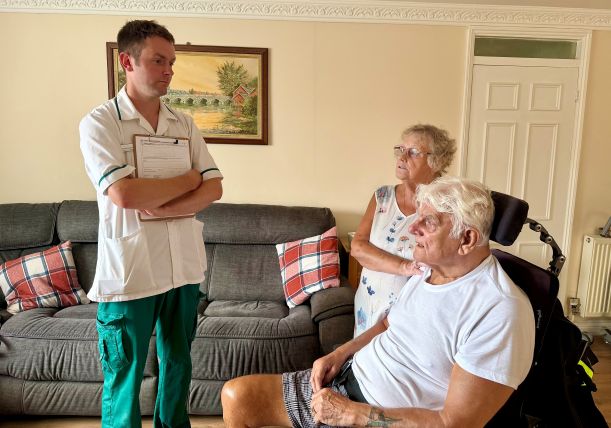
Ed Jefferis, an Occupational Therapist at Livewell Southwest, was able to support David by arranging a hospital bed with adjustable height settings, a more suitable standing aid, an appropriate shower chair and a referral to the wheelchair service. David and Christine also received a social care assessment and as a result, care visits were introduced each morning and evening to help get David washed, dressed and in and out of bed.
Ed said: “It was helpful to sit down with clinicians and professionals from different services to discuss David and Christine’s situation together. One of the geriatricians identified an opportunity to reduce some of David’s medication, which was a real benefit. Sometimes taking multiple medications can contribute to symptoms such as nausea and dizziness, which can increase the risk of falls.
“Ultimately, having all the right people involved in one conversation is helping David remain at home, which is where he wants to be.”
Michelle Freeman, Community Services Manager at Livewell Southwest and one of the pilot leads, said, “One of the most powerful aspects of this story is that the team recognised Christine’s needs alongside David’s. Supporting carers is fundamental to helping people remain independent at home, and this case demonstrates the value of a whole-family, neighbourhood approach to care.”
This approach to care is built on a simple idea: start with the person and work together around what matters most to them. By bringing health, care, community and voluntary sector partners together, we are creating a more joined-up experience for local people, helping them stay independent, connected and supported in ways that make sense for their lives.
David and Christine’s story offers a glimpse of the difference neighbourhood working can make. It’s about seeing the whole person, building on their strengths and making support feel simpler, more coordinated and more personal. It demonstrates the value of listening, building relationships and communities coming together to support one another.
At Livewell Southwest, we’re proud to be developing new and ambitious ways of working that strengthen neighbourhoods, make the most of community strengths and help people live well for longer, closer to home.